
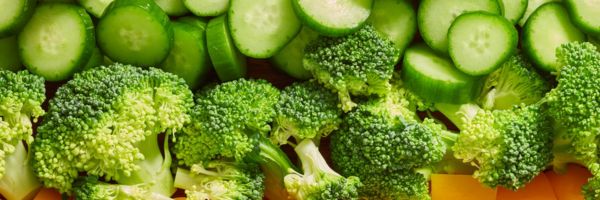
Sulforaphane
Sulforaphane is a beneficial compound found in cruciferous vegetables (like broccoli, kale, cabbage, and Brussels sprouts). It has been studied for its roles in supporting detoxification pathways, reducing inflammation, and contributing to overall metabolic health — benefits you gain beyond basic nutrition. But there’s a small kitchen trick that impacts how much sulforaphane actually forms when you cook these vegetables.
How sulforaphane is made
Cruciferous vegetables contain a precursor called glucoraphanin and an enzyme called myrosinase. These two are kept separate inside the plant cells. When the vegetable is cut, chopped, or chewed, myrosinase and glucoraphanin mix and sulforaphane is produced.
However, myrosinase is sensitive to heat. If you chop and immediately cook your vegetables, the enzyme can be deactivated before sulforaphane forms, meaning you miss out on much of the compound’s benefits.
The simple kitchen trick
To give that enzyme time to work:
- Chop cruciferous vegetables first
- Let them sit for 10–40 minutes before cooking
This resting time increases the conversion of glucoraphanin to sulforaphane before heat can inactivate the enzyme. Gentle cooking techniques like light steaming after this wait help preserve sulforaphane production.
Best sources of sulforaphane
Vegetables that contain glucoraphanin and can produce sulforaphane include:
- Broccoli (especially broccoli sprouts)
- Brussels sprouts
- Kale
- Cabbage
- Cauliflower
- Bok choy
- Arugula and watercress
Broccoli sprouts are particularly rich — studies show they contain far more glucoraphanin than mature broccoli. Keep an eye out on my Instagram if you want to get a beginners guide to sprouting your own.
Benefits of sulforaphane
Research suggests sulforaphane may:
- Activate detoxification pathways and antioxidant defense systems
- Support metabolic and blood sugar health
- Reduce inflammation and oxidative stress
- Potentially play a role in chronic disease prevention (e.g., supporting cellular health and reducing cancer risk markers)
In practical terms
This doesn’t mean you must only eat raw vegetables — cooked cruciferous vegetables still nutritious. But these small steps can help you get more of the specific benefits linked to sulforaphane:
- Chop before cooking and let rest
- Steam lightly rather than boil or overcook
- Add raw cruciferous vegetables (like sprouts) on top of cooked dishes
Even a few minutes of waiting before cooking can make the meals you already prepare more nourishing.
If you’re finding that your body is responding differently to foods, stress, or routines than it used to, you’re not imagining it — physiology does shift in midlife.
This is exactly what we work through in the Body Balance Program and in 1:1 consultations:
learning how to support your metabolism, hormones, and digestion with practical, evidence-based nutrition strategies that fit real life.
If you’d like guidance that connects the science to your body, you can:
- Learn more about the Body Balance Program, or
- Book a 1:1 consultation for personalized support
Further reading & references
General overviews and cooking guidance
- Healthline: Sulforaphane — What It Is and How It Works
https://www.healthline.com/nutrition/sulforaphane#what-it-is - Journal of Nutrition: What Is Sulforaphane? (basic science and benefits)
https://journalofnutrition.org/encyclopedia/what-is-sulforaphane/
Peer-reviewed research
- Sulforaphane and cancer-preventive potential (MDPI review)
https://www.mdpi.com/2072-6694/13/19/4796 - Effects of processing and cooking on glucoraphanin and sulforaphane (ScienceDirect review)
https://www.sciencedirect.com/science/article/pii/S030881462101013X - Broccoli extracts and antimicrobial/sulforaphane effects (European Journal of Nutrition)
https://pubmed.ncbi.nlm.nih.gov/32651764/