
Womens Health
-
If your mind races at night in midlife…

Why your mind races at night in midlife – We often think sleep problems start at bedtime. But in many cases, they start with how (over)stimulated and “on” we’ve been all day long. Your body was never designed to go from: task → task → screen → stress → bed …without pauses in between. Modern…
-
Perimenopause weight gain
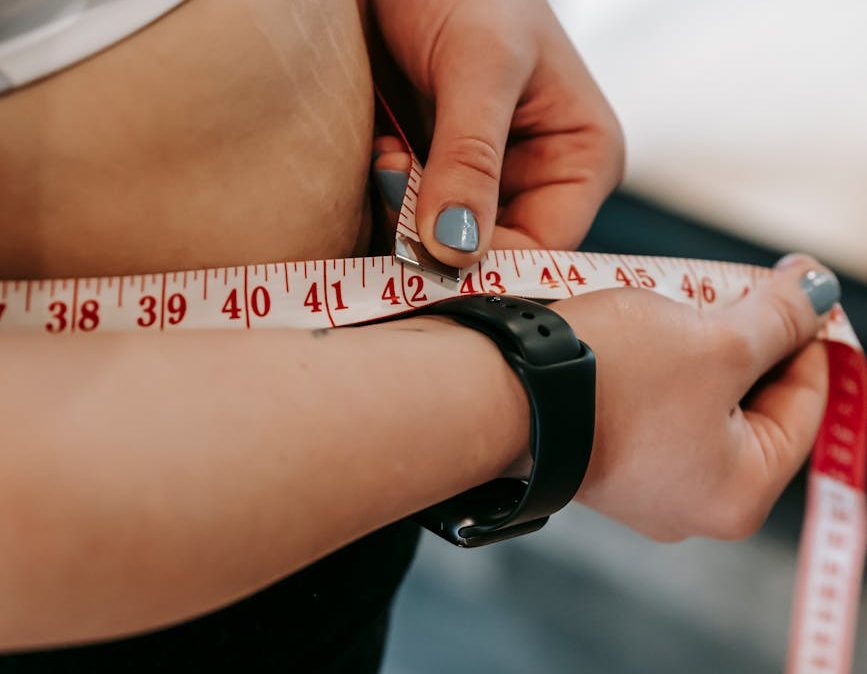
The article discusses the challenges of weight gain during perimenopause and menopause, highlighting that traditional advice to exercise more and eat less may be counterproductive due to hormonal shifts. It advocates for stress regulation, recovery, and balanced nutrition to support metabolic health, emphasizing well-being over weight loss.
-
Why am I always hungry?

Many factors influence constant hunger beyond insufficient food intake, such as protein, fat, and carbohydrate levels, fiber consumption, sleep quality, hydration, and exercise. In midlife, hormonal changes can exacerbate hunger signals, making it crucial to understand one’s nutritional needs and diet composition to effectively manage appetite and satiety.
-
I went from running marathons to strength training in midlife

The author shares their transition from ultra-distance running to strength training as they entered midlife. Experiencing fatigue and weight gain, they realized that hormonal changes require a shift in fitness strategies. Strength training helps preserve muscle, improve metabolic health, and enhances energy, emphasizing the need for adapting exercise to life’s stages.
-
Lack of discipline is rarely the problem in midlife

Many women experience frustration during midlife due to hormonal shifts, which affect metabolism, leading to increased body fat, decreased muscle mass, and rising stress levels. Instead of viewing these changes as a discipline issue, a supportive approach focusing on blood sugar stabilization, protein prioritization, and adequate micronutrient intake is recommended.
-
Cold Plunging for Women: Understanding the Benefits
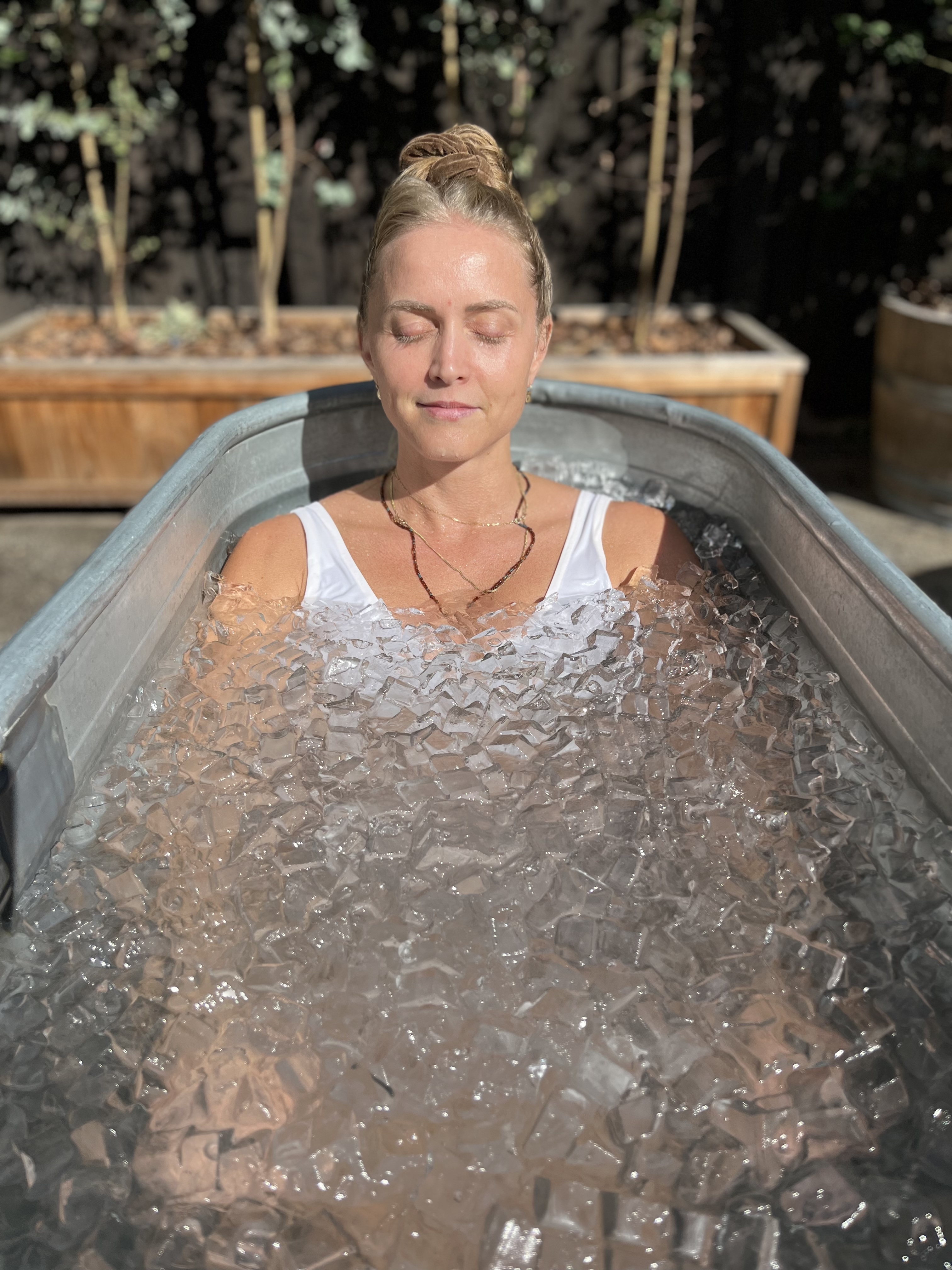
Cold plunging is trending in wellness, but confusion exists about its effects on women versus men. Women can benefit from cold therapy if approached correctly. Hormonal fluctuations influence cold tolerance, suggesting tailored exposure during different menstrual phases can optimize health benefits while respecting one’s individual needs and cycles.